Household Lead Test
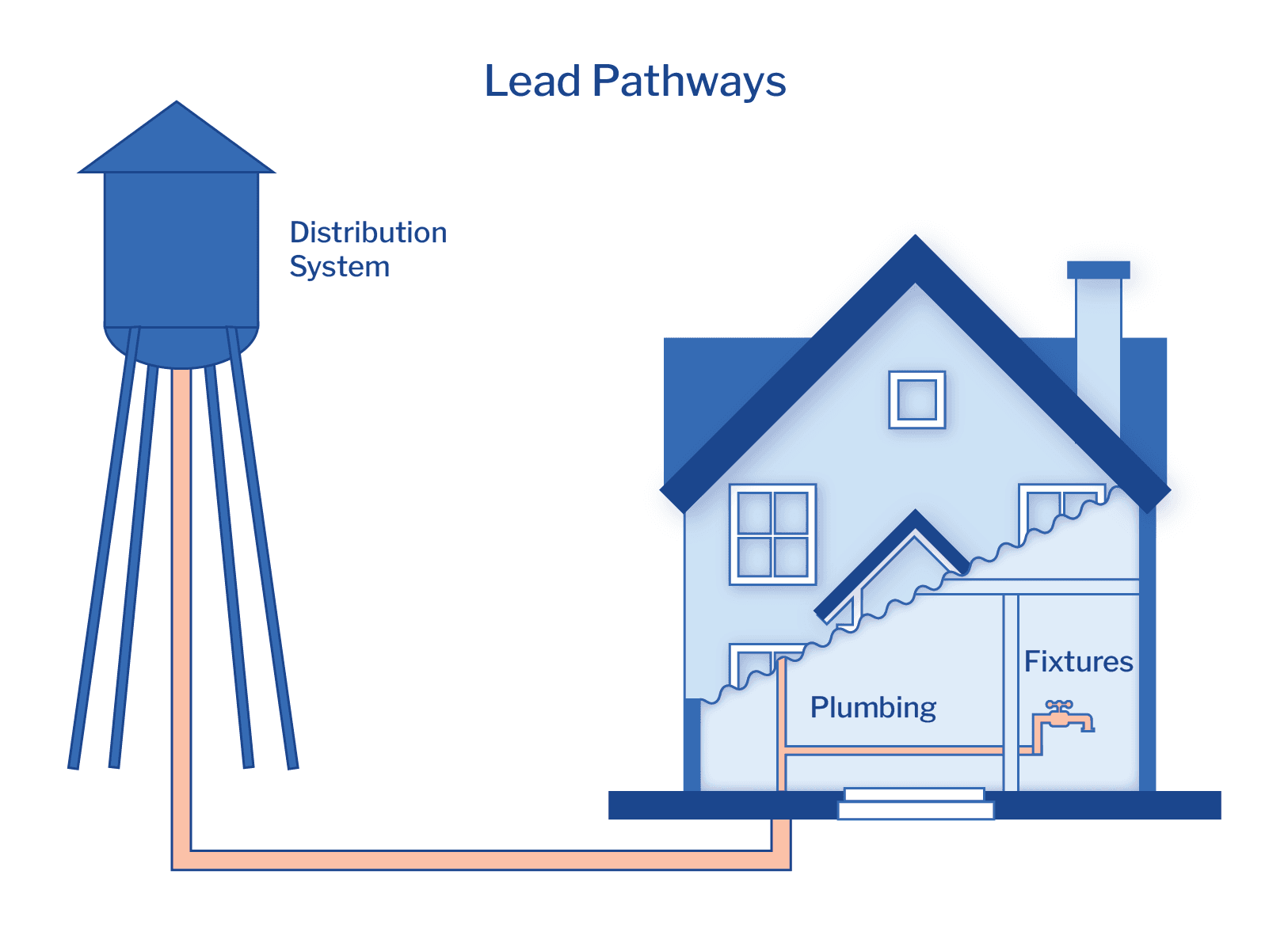
Sources of Lead and When to Test
These frequently asked questions can help you determine whether you should test your water for lead.
Was your home built before 1988?
In 1988, the US began regulating the amount of lead in pipes and plumbing fixtures. That means homes built before 1988 might have more lead in pipes and plumbing components than newer homes. If your home was built before 1988 you may want to test.
Do you get your water from a private well?
Well water can have characteristics that make it more likely lead is present. If the water is corrosive, it can cause lead and other metals to move from the pipe into your water. Unlike public utilities, there are no requirements for monitoring corrosivity or lead levels. In addition, if your well was installed prior to 1988, well components and plumbing parts may contain higher levels of lead. If you have a private well, you should test for lead and other contaminants annually.
Are children in the home?
There is no safe level of lead exposure for children. Even the levels of lead that are allowable in regulated drinking water systems in the US are not safe for young children and infants. If you have children in your home who drinks the water, it is always a good idea to test for lead.
If you answered "yes" to any of the questions above, we recommend you test your water for lead.