What to Do About Lead in Water
The effects of lead exposure can last a lifetime. No level of lead exposure is considered safe, especially for children. Even small amounts of lead can affect learning, behavior, and development.
The good news is that there are practical steps you can take to reduce lead in drinking and cooking water. We recommend these no-cost and low-cost methods.
What these levels mean
Lead levels in drinking water are measured in parts per billion (ppb). If any level of lead is detected, we recommend acting to remove or lessen the amount of lead in the water you drink or use for cooking.
The US Environmental Protection Agency (EPA) Lead and Copper Rule sets 10 ppb as the "action level." If your lead is at or above 10 ppb, stop using water from that tap immediately and seek expert support in mitigation.
Any level of lead deserves a response
Even when lead is found at a low level, there are simple steps you can take to reduce exposure.
Recommendations based on lead level
Start here: Clean water habits
We recommend these clean water habits at any lead level:
- Use only cold water for drinking, cooking, and making baby formula. Do not use hot tap water, even if you plan to boil it.
- Flush taps regularly when water has been sitting in the pipes. Running the water helps bring in fresher water.
- Address low water flow promptly. If a tap is clogged or flowing slowly, contact a plumber.
- Follow local public health guidance about water testing and next steps.
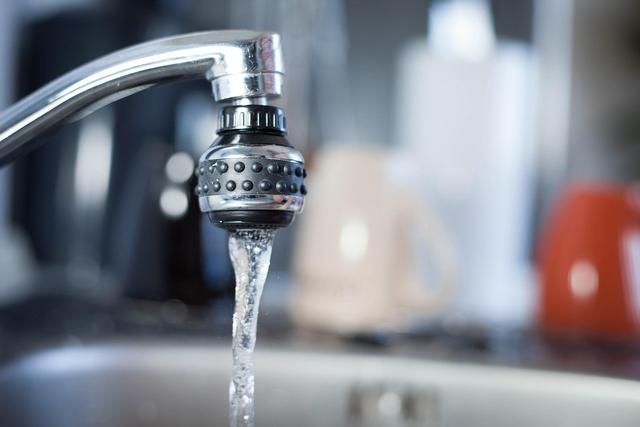
At or above 1 ppb
If your result is 1 ppb or higher, we recommend the following low-cost solutions:
- Continuing clean water habits.
- Installing and maintaining a water filter that is certified to remove lead.
- Replacing the faucet with a new lead-free fixture if needed.
At or above 5 ppb
If your result is 5 ppb or higher, we strongly recommend the following low-cost solutions:
- Continuing clean water habits.
- Installing and maintaining a water filter that is certified to remove lead.
- Replacing the faucet with a new lead-free fixture
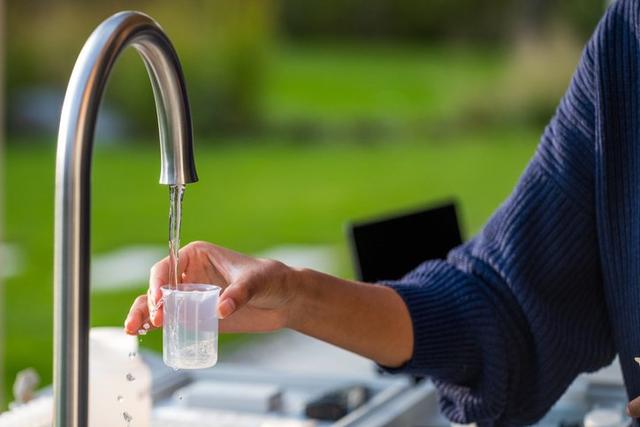
At or above 10 ppb
If your result is 10 ppb or higher, no one should continue using that tap for drinking, cooking, or making baby formula.
We recommend the following next steps:
- Use another lead-free tap, bottled water, or another safe temporary water source.
- Contact your local or state health department, water utility, or other relevant program for follow-up guidance.
- Ask a plumber to check for possible lead sources, such as old plumbing components, lead service lines, lead-lined fountains, or other problem materials. Note: Lead service line replacement can be costly. Check with your local health department and utilities to see if there is any funding support.
- Low-cost solutions may still be effective, including a certified lead-removing filter and replacement of the faucet with a lead-free fixture.
- After action is taken, retest the water to make sure the lead level has gone down.
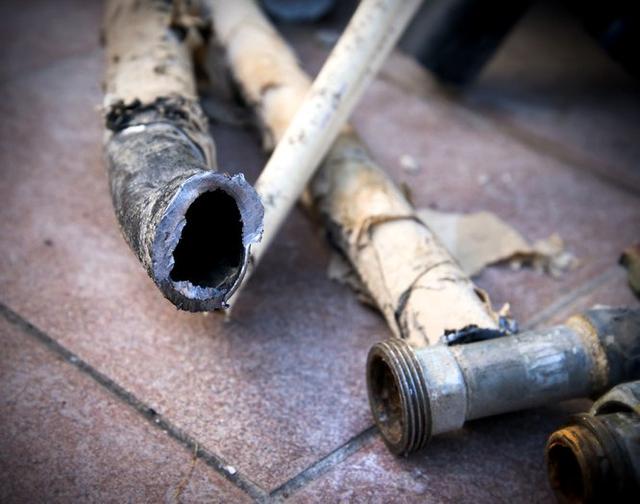
At or above 150 ppb
If your result is 150 ppb or higher, stop using that tap immediately for drinking, cooking, or making baby formula. This level may point to a more serious source of lead in the plumbing. Do not use the tap again for these purposes until corrective action has been taken and follow-up testing shows the lead level is below the state action level.
We strongly recommend the following next steps:
- Use another lead-free tap, bottled water, or another safe temporary water source.
- Contact your local or state health department, water utility, or other relevant program for follow-up guidance.
- Ask a plumber to check for possible lead sources, such as old plumbing components, lead service lines, lead-lined fountains, or other problem materials. Note: Lead service line replacement can be costly. Check with your local health department and utilities to see if there is any funding support.
- After action is taken, retest the water to make sure the lead level has gone down.
If you have not tested your water for lead and are concerned, you can order a lead testing kit.